Longevity is often discussed in terms of lifespan, but its real value lies in healthspan, the years spent moving well, thinking clearly, and remaining actively engaged in life. For many high performing individuals, the goal is not simply to live longer, but to remain capable, independent, and physically confident for as long as possible. Movement plays a central role in extending that window.
While advances in medicine have extended lifespan, they have not always preserved function and added quality to those years. What ultimately determines how well we age is less about medical intervention and more about how consistently we challenge and support the body over time. Movement provides that stimulus in a way few other habits can.
Research across peer reviewed journals such as JOSPT and the Journal of Strength and Conditioning Research consistently shows that regular strength and aerobic training help preserve muscle mass, metabolic health, and joint integrity. These systems do not operate in isolation. Together, they support resilience, the body’s ability to adapt to physical stress, recover efficiently, and continue functioning at a high level.
Resilience is often misunderstood as toughness or grit. From a physical standpoint, resilience is adaptability. A resilient body tolerates load without breaking down, responds to challenges without excessive fatigue, and recovers in time for the next demand. Movement is the primary mechanism through which this adaptability is maintained.
One of the earliest signs of physical decline is not pain. It is a gradual loss of movement options. Joints that once moved freely begin to feel stiff. Balance becomes less automatic. Strength quietly diminishes. These changes often occur subtly and without immediate consequence, which is why they are easy to ignore. Over time, however, they narrow what feels comfortable or safe. I tell my patients all the time…
“No matter your age, if you are not working or challenging your balance, it is getting worse. “
It is just that it does not become noticeable until it has declined enough to create a problem.
Loss of balance does not announce itself dramatically. It shows up as hesitation on uneven ground, discomfort moving quickly, or a sense of instability during daily activities. When balance and coordination decline, confidence often follows. People become more cautious not because they lack motivation, but because their bodies no longer feel as reliable.
This loss of confidence has real consequences. Independence becomes more fragile. Activities that were once routine, such as travel, recreational pursuits, or long periods on one’s feet, begin to feel more taxing. Over time, individuals may limit their own activity, accelerating the very decline they are trying to avoid.
Intentional movement counters this process. Strength training reinforces the structural systems that support joints and posture. Aerobic activity improves cardiovascular capacity and energy regulation. Mobility and balance work preserve coordination and control. Together, these elements maintain not just physical function, but trust in the body.
Importantly, resilience is not built through extremes. It is built through regular exposure to manageable physical stress followed by recovery. This pattern signals the body to remain adaptable rather than fragile. Extreme or sporadic efforts may produce short term gains, but they often come at the cost of consistency. Sustainable movement habits create compounding returns.
The British Journal of Sports Medicine has highlighted that consistent physical activity reduces the risk of chronic disease, injury, and premature loss of independence. Just as importantly, it supports cognitive health, mood regulation, and stress tolerance. These benefits matter not only for personal well being, but for continued engagement in work, family life, and community.
A common misconception is that longevity focused movement requires a complete lifestyle overhaul. Relatively simple, well chosen habits produce meaningful results when practiced consistently. The goal is not to train harder, but to train more intelligently and intentionally.
Three Practical Ways to Apply This
Lift something moderately heavy, regularly.
Strength train at least two times per week using weights or resistance that feel challenging by the final few repetitions. This does not require maximal effort or specialized equipment. The objective is to provide enough stimulus to preserve muscle mass, bone density, and metabolic health. Strength supports posture, joint health, and energy levels, and it plays a foundational role in long term resilience.
Protect joint motion daily.
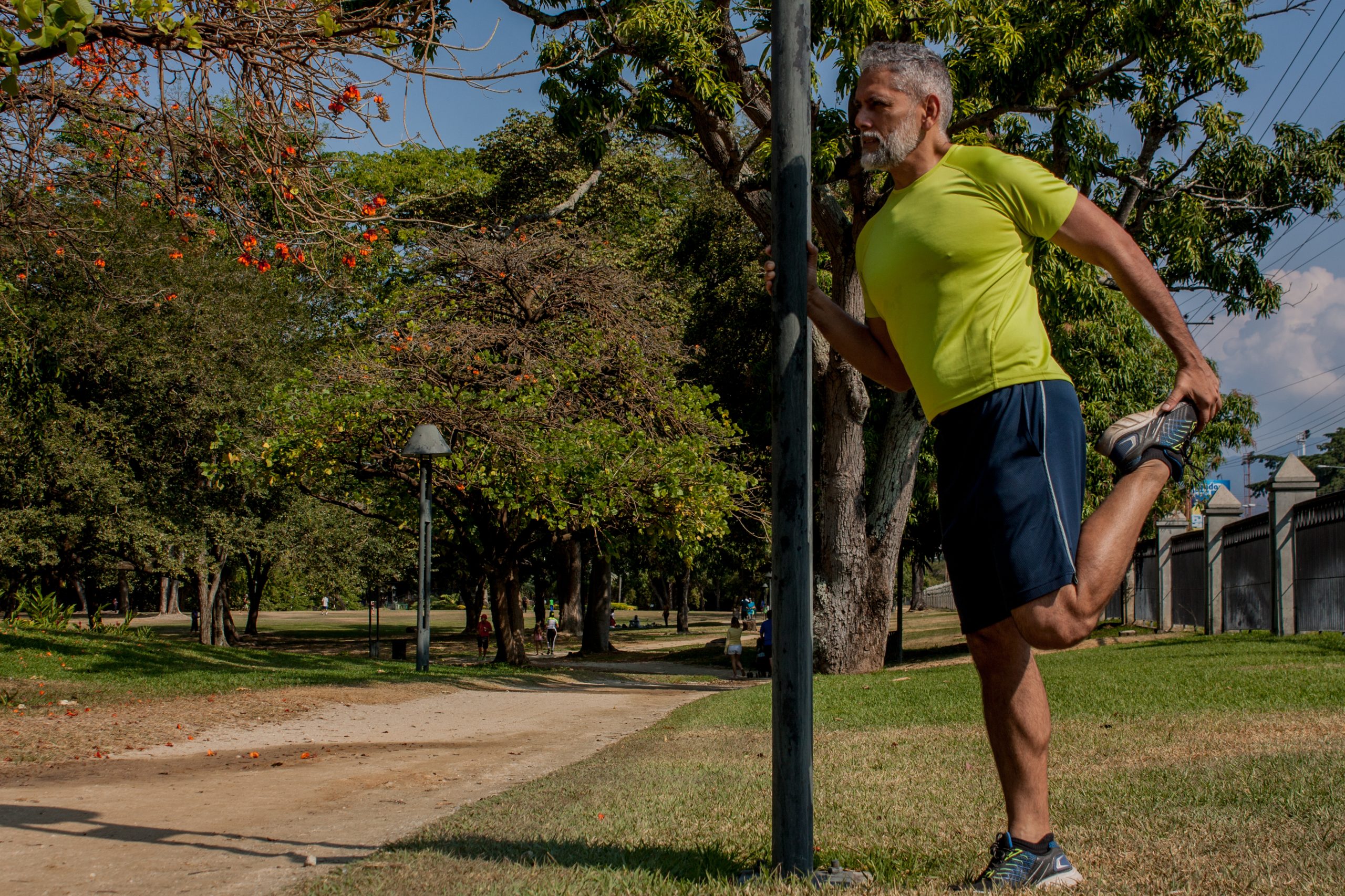
Spend five to ten minutes each day moving joints through comfortable ranges, particularly the hips, shoulders, and spine. This can include simple mobility drills, controlled stretching, or light dynamic movement. Maintaining joint motion preserves movement quality and reduces stiffness that often precedes limitation or injury.
Challenge your balance with intention.
Balance improves only when it is challenged. Simple practices can be highly effective. Stand on one leg while brushing your teeth. Incorporate movements that require weight shifting, such as stepping in multiple directions or controlled lunges. These small challenges signal the nervous system to maintain coordination, reaction time, and stability.
Balance training does not need to be dramatic. It simply needs to be present. When practiced regularly, it helps preserve confidence in movement and reduces the risk of unexpected instability later.
Longevity is not about preserving youth or chasing past physical identities. It is about preserving capability. It is about maintaining the ability to move freely, respond to challenges, and remain engaged in the activities that give life meaning.
Movement remains one of the few tools that supports nearly every system required to do so. For those who value long term independence, sustained performance, and an active role in the years ahead, movement is not optional. It is foundational.