
Financial advisors often speak about the privilege of guiding clients through life’s transitions. But for professionals who work deeply with veterans, active duty service members, and military families, the responsibility takes on a special meaning.
These clients navigate a financial landscape unlike any other, shaped by constant change, a complex benefits ecosystem, and the profound life experiences that service in the U.S. military creates.
Advisors who specialize in this community say that understanding the distinct rhythm of military life is essential because the advisor–investor relationship here is more than transactional. It is anchored in trust, respect, and a shared commitment to long term clarity.
A Life of Transitions and the Planning Realities That Follow
Military families spend their early years in near constant motion. Frequent relocations, changes of station, and unpredictable schedules create structural challenges for building financial consistency. Spousal employment may be interrupted. Housing allowances and benefits vary. And eventually, every service member faces the question: What comes next?
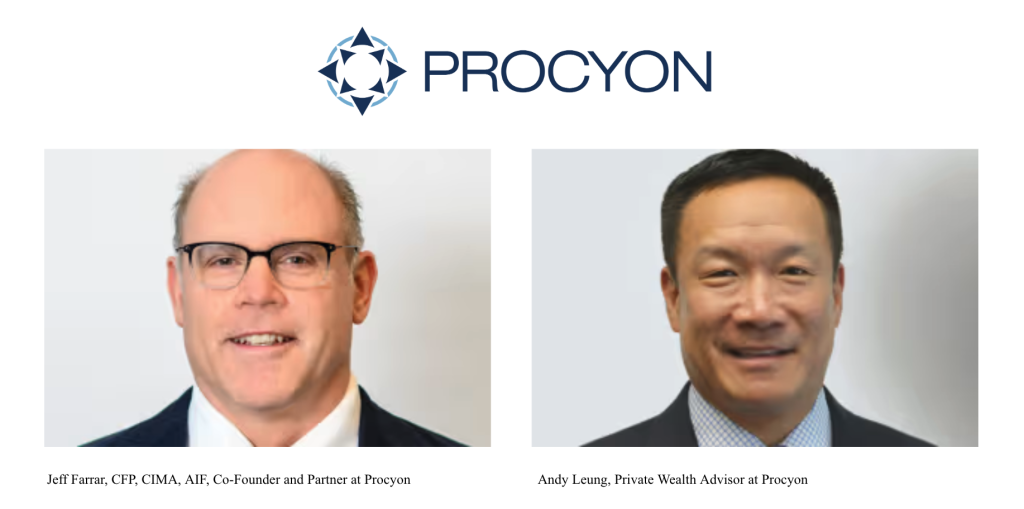
Jeff Farrar, CFP, CIMA, AIF, Co Founder and Partner at Procyon, says that much of the work begins with helping military families manage continual transitions.
“Military families often experience frequent relocations and long periods of limited availability, which can impact everything from employment to financial organization. They also navigate an entire universe of benefits, acronyms, and tax rules. Having an advisor who provides steady guidance through constant change can make a lasting difference.”
For many service members, the most significant transition occurs when they leave active duty. Determining the next chapter, whether a second career, full retirement, or something more entrepreneurial, requires early planning and careful forecasting. Advisors play a central role in helping veterans define realistic expectations while building a financial bridge to civilian life.
Understanding the Benefits: A Specialized Skill Set
Every advisor interviewed emphasized one theme: military benefits are powerful, but they are also extraordinarily complex. And the complexity only increases when veterans accumulate wealth, earn equity compensation in private sector roles, or begin establishing trusts and investment portfolios.
Andy Leung, Private Wealth Advisor at Procyon, notes that early discussions often revolve around foundational questions such as Post 9/11 GI Bill eligibility, the Yellow Ribbon Program, pension rules, VA benefits, and insurance needs. But as veterans advance in their careers, the planning demands become more sophisticated.
“Many of the challenges come as the veteran’s finances become more complex,” Leung explains. “We help with decisions related to RSUs, ISOs, private equity stakes, alternative investments, and trust structures. Veterans are incredibly disciplined and committed to the planning process, and that consistency translates directly to financial success.”
Understanding benefit interactions is critical. For example, disability payments often tax free can significantly impact retirement cash flow planning. Military pensions, which are inflation adjusted, may serve as a “bond substitute” within a portfolio, enabling investors to maintain a more growth oriented asset allocation than traditional retirees.
“The military pension replaces a large portion of retirement needs,” Farrar says. “It allows some clients to take a more equity heavy allocation than they otherwise might.”
Veterans also face unique risks, many tied to survivorship. Leung frequently works with clients to model the impact of losing a pension, VA disability income, or half of a couple’s Social Security benefits, ensuring the family remains protected regardless of circumstance.
Supporting Major Transitions: Where Advisors Make the Greatest Impact
Perhaps the most meaningful work advisors do for military families centers around major life transitions.
Farrar recalls helping a retiring officer evaluate Survivor Benefit Plan options, a decision that can define family financial security for decades. Detailed calculations helped the client determine whether the default choice truly aligned with their long term goals.
Leung has guided numerous veterans through identifying weaknesses in retirement plans:
“It’s critical to stress test the plan for what happens if the pension changes, if disability income ends, or if the household loses Social Security benefits. These are conversations civilians rarely have to the same degree.”
For Matt Frost, Wealth Advisor at Quotient Wealth, the most rewarding work occurs when helping veterans transition into civilian employment, a moment that is both financially and personally transformative.

“Budgeting looks different without active duty allowances. Health insurance decisions become new again. Every element of the transition requires thoughtful analysis,” he says. “Providing guidance during that shift is something we take very seriously.”
Why Advisors Must “Speak the Language”
Each advisor agreed: advisors who wish to serve this community must understand its terminology, its benefits, and its cultural nuances.
“Investing the time to understand the alphabet soup of military benefits is essential,” Farrar says. “Advisors who learn the system and speak the language help clients plan their futures with greater confidence.”
Frost echoes this sentiment, noting that much of the required knowledge is absent from traditional financial planning education.
“Mastering the specialized concepts around military benefits is crucial,” he explains. “Without this understanding, an advisor simply isn’t positioned to deliver the guidance military clients deserve.”
Leung adds that many veterans are accustomed to a do it yourself approach to their finances. As their wealth grows, professional advice becomes not only valuable but necessary.
“We speak the same language and are used to a similar life cadence,” he says. “Helping veterans navigate the next phase of their financial journey is deeply fulfilling.”
A Relationship Built on Respect and Shared Purpose
Working with veterans and military families requires specialized expertise, but more importantly, it requires empathy, consistency, and respect for the unique lives these clients lead.
The advisors we spoke with agree: military clients bring resilience, discipline, and long term commitment to the planning process. They also bring needs that require advisors to rise to a higher standard of preparedness and understanding.
For advisors ready to serve them, the reward is considerable: the opportunity to walk alongside some of the country’s most dedicated professionals as they build futures that honor both their service and their aspirations.