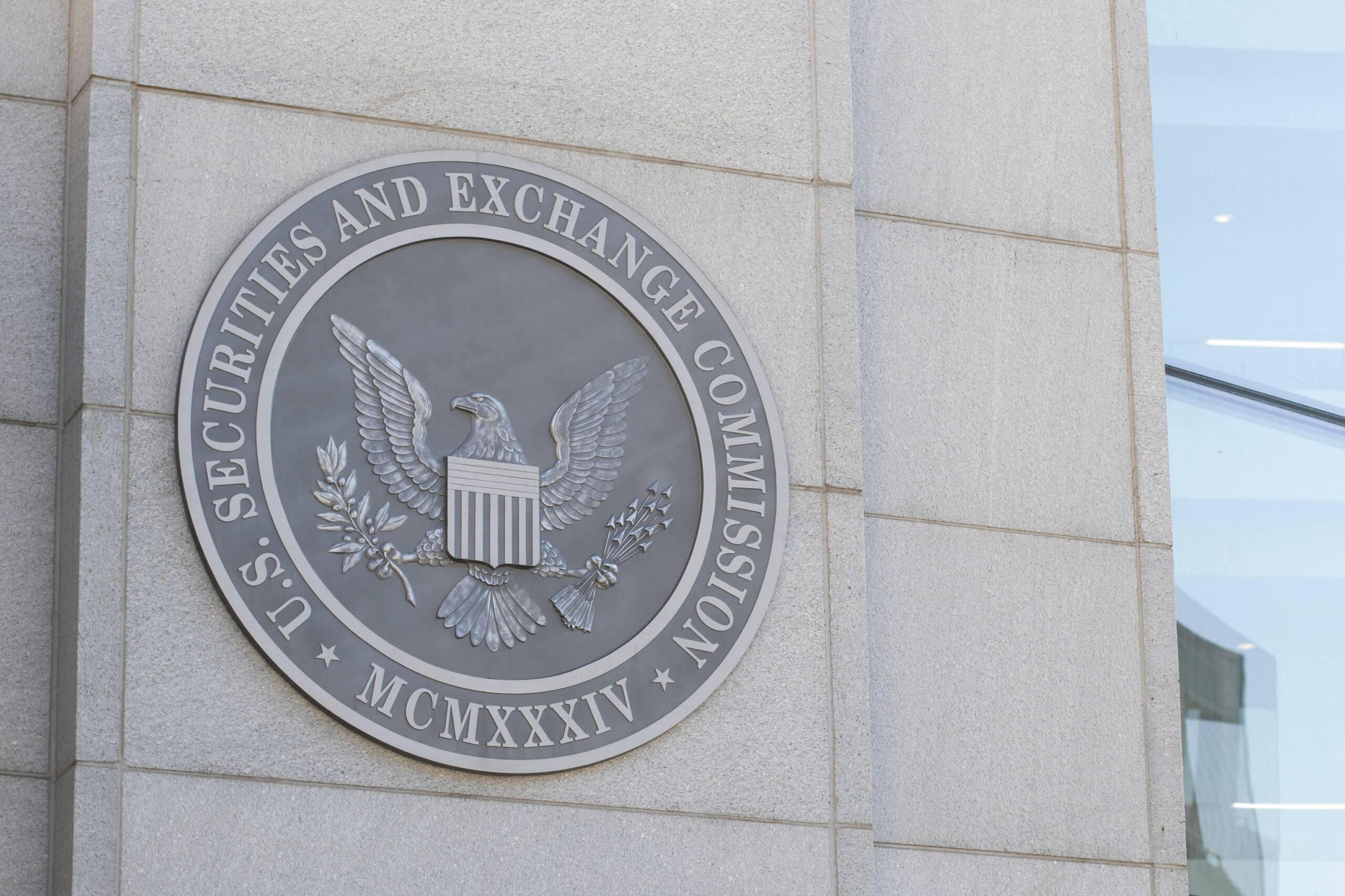
The SEC says scammers used its own filing system to manufacture credibility. Here is how investors can verify an adviser beyond a database search.
By Investor Magazine | August 28, 2026
For years, one of the most common pieces of investor protection advice has been simple: Before trusting a financial adviser, look up the person or firm in a government database.
That remains good advice. But a new enforcement action from the Securities and Exchange Commission reveals why it cannot be the final step.
On August 27, the SEC charged 38 entities with allegedly placing false or unsupported information in regulatory filings to make themselves appear to be legitimate advisory firms. According to the complaints, some listed offices where they had no actual presence, supplied disconnected telephone numbers, named auditors that could not be found in public accounting registries, and displayed fake SEC registration certificates on websites.
The SEC also said several of the entities may have operated from outside the United States. The allegations have not yet been proven in court.
The lesson for investors is unsettling but important. A listing in a government database can confirm that a document was filed. It does not necessarily confirm that every statement in the filing is true.
What Is Form ADV?
Form ADV is the standard regulatory form used by investment advisory firms. Registered advisers file it with the SEC or state securities regulators. Certain advisers that are exempt from registration must also complete portions of it.
The form contains information about a firm’s ownership, business practices, fees, conflicts, custody arrangements, and disciplinary events. Its public sections can be viewed through the Investment Adviser Public Disclosure website, commonly called IAPD.
For legitimate firms, Form ADV can reveal how the adviser is paid, what services it offers, whether it has reported disciplinary problems, and where conflicts may exist.
But Form ADV is largely based on information submitted by the firm. The SEC itself warns that neither federal nor state regulators have approved the information in these filings or guaranteed its accuracy.
That does not make the database useless. It means investors should treat it as the beginning of their research rather than proof that the firm has been thoroughly examined and endorsed.
Filing Is Not Registration
The alleged scheme also exploited a distinction most investors would have little reason to know: An exempt reporting adviser is not the same as an SEC registered investment adviser.
An exempt reporting adviser, often shortened to ERA, generally advises private funds, such as venture capital, private equity, or hedge funds. Because it qualifies for an exemption, it does not complete the full SEC registration process. It must still report certain information on Form ADV and remains subject to federal antifraud rules.
That filing can cause an ERA to appear in SEC search results. A dishonest operator may then point to the record and claim that the government has registered, approved, or evaluated the firm.
The SEC says that is false. An ERA is not registered with the agency, and the SEC does not issue registration certificates to ERAs or registered advisers. The agency also warns that ERAs are not permitted to provide investment advice directly to individual investors.
If a firm describes itself as an ERA while soliciting an individual to open an investment account, that contradiction should stop the conversation immediately.
Registration Still Matters
Investors should not abandon regulatory searches. Confirming registration and reviewing disciplinary history remain essential.
Search both the professional and the firm because each may have a separate record. If the person also works as a broker, review FINRA BrokerCheck as well.
Read the details rather than stopping when a name appears. Confirm the registration status, office location, employment history, and reported disclosures. Then open the firm’s full Form ADV and read its narrative brochure, known as Part 2. That brochure should explain services, fees, conflicts, and disciplinary information in plain English.
Look for inconsistencies. A different address, unexplained business name, missing individual, or description that does not match the sales pitch deserves further investigation.
Verify the Adviser Outside the Database
The next step is independent confirmation. Do not rely solely on telephone numbers, email addresses, or links supplied by the person seeking your money.
Locate the firm’s contact information through independent sources. Call the main office and confirm the physical address, particularly if the relationship began through social media, a group chat, or an unsolicited email.
Search the address itself. A claimed office that is actually a residence, mailbox service, vacant property, or unrelated business does not automatically prove fraud, but it requires an explanation.
Investors can also contact their state securities regulator, which may have additional registration, complaint, or enforcement information.
Be suspicious of anyone who presents an impressive looking certificate as proof of SEC approval. Government logos, registration numbers, and official language can be copied. The SEC’s allegations show that scammers may combine genuine filing numbers with false claims about what those numbers mean.
Know Where Your Money Will Go
Before transferring money, identify the custodian. A custodian is the financial institution responsible for holding client assets. In many relationships, the adviser manages the portfolio while a brokerage firm or bank holds the investments.
Contact the custodian using a telephone number found on its official website. Confirm that the account exists, that it is titled in your name, and that the adviser is authorized to manage it. Review the custodian’s statements independently rather than relying only on reports created by the adviser. Money should never be wired to an adviser’s personal bank account, an unrelated company, or a digital wallet supplied through a message.
Investors should understand who can withdraw money, where cash will be held, how assets will be valued, and how they can regain control of the account. If the answers are vague or accompanied by pressure to act quickly, do not transfer the funds.
Trust Requires More Than a Search Result
The SEC’s case does not erase the value of public regulatory records. It clarifies their limits.
A database can show what a firm reported. It cannot replace an independent review of the people, location, custodian, and account receiving an investor’s savings.
The safest approach is layered verification. Check the firm. Check the individual. Read the complete filings. Confirm the office and contact information independently. Verify the custodian before sending money. Stop when important details conflict.
Fraud often succeeds by borrowing credibility from trusted institutions. Investors can protect themselves by remembering that a familiar logo, official number, or government search result is evidence to examine, not a reason to stop asking questions.
Sources
- SEC enforcement announcement, August 27, 2026
- SEC Investor Alert on exempt reporting adviser filing scams
- SEC information about registered advisers and exempt reporting advisers
- Investor.gov investment professional search guidance
Disclosure: This article is for educational and informational purposes only and should not be construed as investment, legal, or regulatory advice. Investors should independently verify any financial professional and consult qualified advisers regarding their individual circumstances.